


DTFPartsStore.com
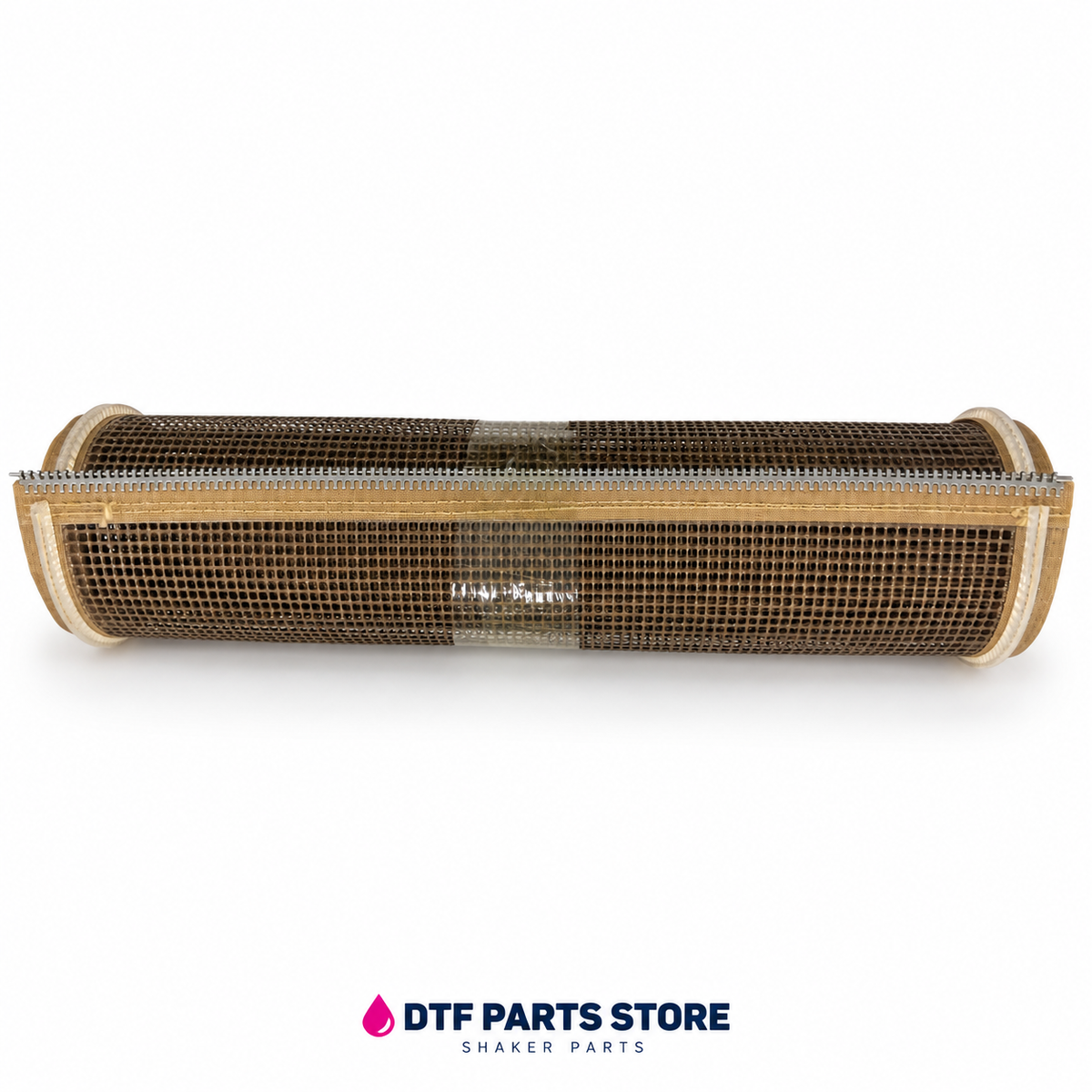
H6501 Shaker Conveyor Belt — 2985 × 750mm
H6501 Shaker Conveyor Belt — 2985 × 750mm
Couldn't load pickup availability
Replacement conveyor belt for a compatible H6501 shaker drying system. Match the full belt dimensions and joining arrangement before ordering.
Specifications
- Belt dimensions: 2985 × 750mm
- Application: film conveying
Compatibility
Listed for the H6501 shaker parts system. Machine revisions vary. Compare your original part, electrical ratings, dimensions and connections before purchase. Contact DTF Parts Store with photos if you need help checking compatibility.
What is included
One replacement component as listed. Other machine parts are not included.
Availability
Currently out of stock. Contact us for restock updates.
Image is a branded illustration based on the supplier reference. Confirm the actual part markings, connections and dimensions before ordering.
DTF Parts Store • Repair supportInstallation & troubleshooting
View safety steps and replacement checks
Know what to check, how to prepare safely, and what your technician should verify for this conveyor belt. Machine layouts and wiring vary by model.
H6501 Shaker Conveyor Belt — 2985 × 750mm
Match before replacing:
Full length • width • seam • travel direction
Film transport slips, stops or tracks sideways. Check the film path, rollers, tension and drive before assuming the belt needs replacement.
Safety first — before access or repair
Follow the machine’s shutdown procedure. Isolate all power sources and prevent restart using the approved lockout procedure. Control stored energy and let heaters cool fully. An authorized person must verify isolation before work starts. The power button or emergency stop alone does not isolate electrical energy.
Electrical work, heaters and safety controls require a qualified technician. Never work inside a live cabinet, bypass guards or safety devices, or reach into moving rollers or fans. Follow the machine manual and powder/ink safety data sheet for required protective equipment.
Stop & isolate
Shut down, isolate supplies, prevent restart, control stored energy and verify the machine is safe to access.
Inspect & match
After isolation and cooldown, inspect for tears, a damaged seam, debris and edge wear. Do not reach into rollers or try to free a belt while it is running.
Replace correctly
A trained technician should record the original belt route and seam direction, release tension using the machine procedure, replace the belt, and set tracking and tension to the manufacturer’s specifications. Do not guess a tension value.
Verify operation
Restore all guards and run the manufacturer’s controlled transport test. Observe tracking from outside the guarded area. Stop for edge rubbing, binding or abnormal noise.
Stop and get help if…
You find burned wiring, repeated breaker trips, damaged safety controls, uncontrolled heating, ink on electronics, a mismatch in ratings, or a diagram that does not match the machine. Keep the machine out of service until a qualified technician resolves the fault.
What to send for model-specific help
Send the machine model and serial label, a clear photo of the original component and its markings, your symptom, and the relevant service-manual page. Take internal photos only after safe isolation by an authorized person. Do not unplug or move wires just to photograph them.
Need the procedure for your machine?
Send your model and original part photos so we can help confirm compatibility and the correct service reference.
Get part-specific help →This is a service planning overview. Use the exact machine and component manuals for removal, wiring, torque settings, calibration and commissioning. It is not a model-specific wiring diagram.